
Miruni
Employer: All Turtles
Type: Startup (Seed)
Industry: SAAS
Role: Sr. Design Director
Year: 2022-2025
Context
The Situation
Miruni was a year-long engagement, compressed, fast-moving, and one of the most evolving partnerships I led at All Turtles. It wasn't a clean 0→1 with a ribbon-cutting moment. It was a startup finding its footing in real time, and our design team was in the room while that happened.
We came in to build the brand and product from scratch. What we didn't know at the start was that the product would pivot significantly before it found its market, and that some of the research driving that pivot would come from our own design process.
The Real Constraint
The scope of this engagement was significant: brand strategy, visual identity, product design, growth design, multiple website iterations, email systems, SEO, and motion. The team and budget were lean relative to that scope.
That constraint shaped almost every decision. We couldn't do everything well at once, so we had to be ruthless about sequencing, determining what needed to exist first, what could follow, and what could wait. Working lean teaches you to prioritize at a level that comfortable budgets never require. Over the year, Miruni taught me that.
The Team
Namika Hamasaki — Visual Design Lead
Lacey Valentini — Brand Design Lead
Peter Kemme - Motion Design
Lina Koh — Content Lead
Gloria Lu — Design Operations
Clio Atencio — Sr. Design Director
Catt Small — Product Design Director
Forrest Bryant - Content Director
Services Provided
- Design Strategy
- Product Design
- Brand Strategy
- Visual Identity
- Content
- Motion Design
- Growth Design
My Role
As Sr. Design Director, I led the full creative engagement, setting direction across brand, product, and growth, managing the team and budget, and partnering directly with Miruni's executive leadership. In a lean environment, that also meant staying close to the work itself: making quick calls, unblocking the team, and keeping the creative direction coherent as the product evolved beneath it.
Impact
- Led 0→1 brand and product development from inception through October 2024 launch
- Helped identify and validate the CMS-specific Smart Edits opportunity through design research, a pivot that became the product's clearest market entry point
- Established early traction with freelancers and agencies, validating demand for AI-driven web maintenance workflows
- Delivered the full creative scope, brand, product, growth, and marketing, with a lean team
What is Miruni?
Miruni is an AI-powered visual feedback tool that streamlines website edits and bug reports. Capture annotations and technical logs directly on live sites, then use AI to implement fixes with one click. Reduce your editing time by up to 90%.
Mission
Replace repetitive manual tasks with AI-driven orchestration, so teams can trade tedious edits for strategic work.
Our Goal
Our goal was to launch a brand and product that stood out in a crowded category — something that felt built for the creative and agency professionals who would actually use it, not another generic SaaS tool. We needed to earn attention in a market where most competitors looked identical, and build a system flexible enough to evolve as the product found its footing.
The Brand
Strategic Foundation
We began with founder interviews, workshops, and market research to align on product vision, audience, and competitive positioning. The strategic foundation informed every brand decision that followed.
The competitive landscape was straightforward to diagnose: most tools in this space looked the same. Generic cool colors, safe sans-serif typography, functional but forgettable identities. There was a clear gap for a brand with more personality and visual confidence, something that felt built for the creative and agency professionals who would actually use it.
The Name: Miruni
Miruni’s name draws from the metaphor of a "pane of glass", a transparent bridge between teams and their tasks. Inspired by Maruni glass, where diverse colors fuse into a single masterpiece, Miruni symbolizes different functions coming together to build unique digital products. This distinct identity sets us apart in a sea of generic, descriptive names.

Design Principles
Universal: Inclusive and accessible across cultures
Intuitive: Effortless to learn and use
Consistent: Cohesive across all touchpoints
Immediate: Fast, efficient, and frictionless
Delightful: Human, engaging, and surprising in thoughtful ways
Brand Values
Ease: Robust yet simple to use
Efficiency: Intelligent, reliable, time-saving
Collaboration: Bridges communication gaps between crafts
The Visual Identity
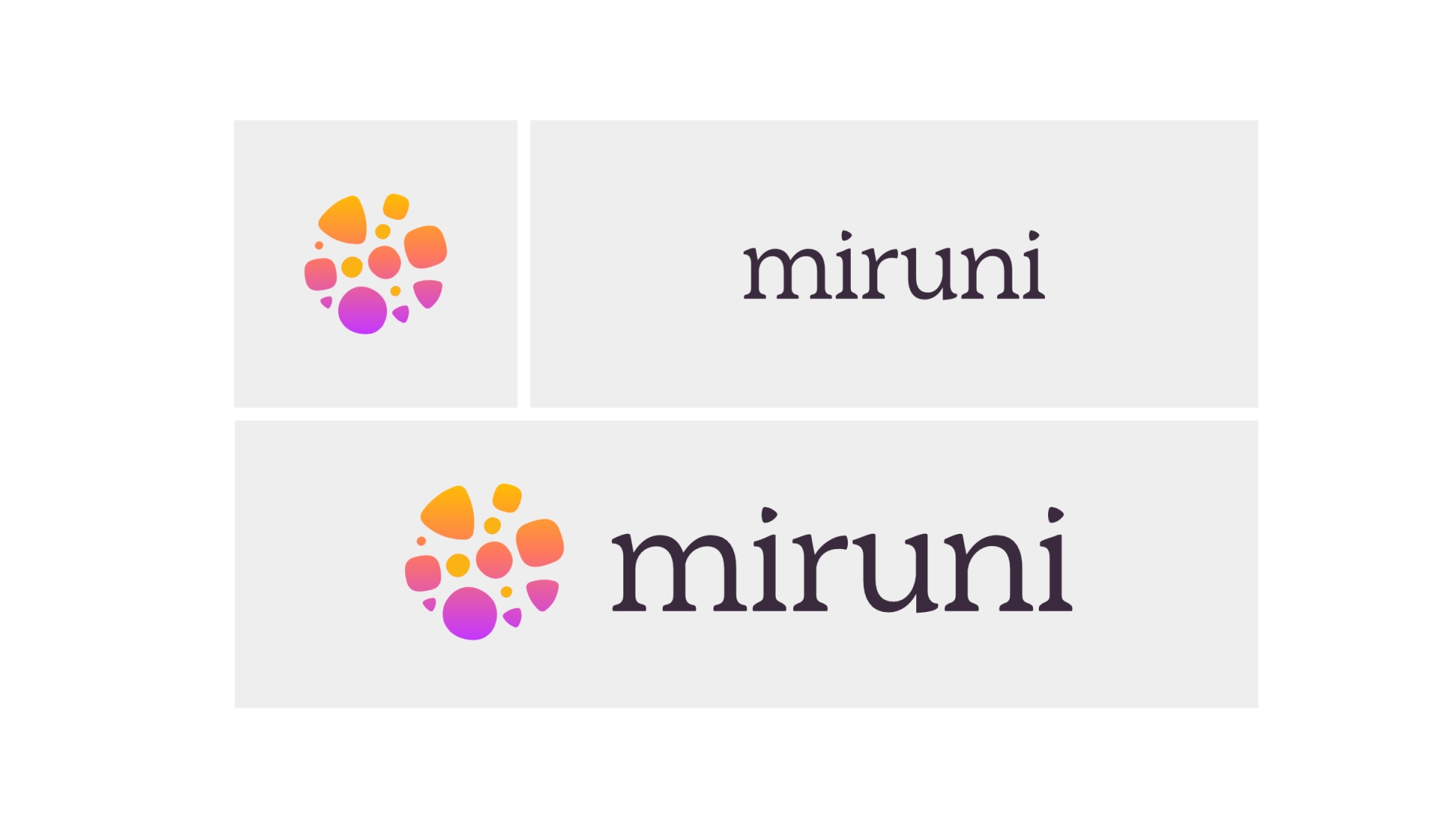
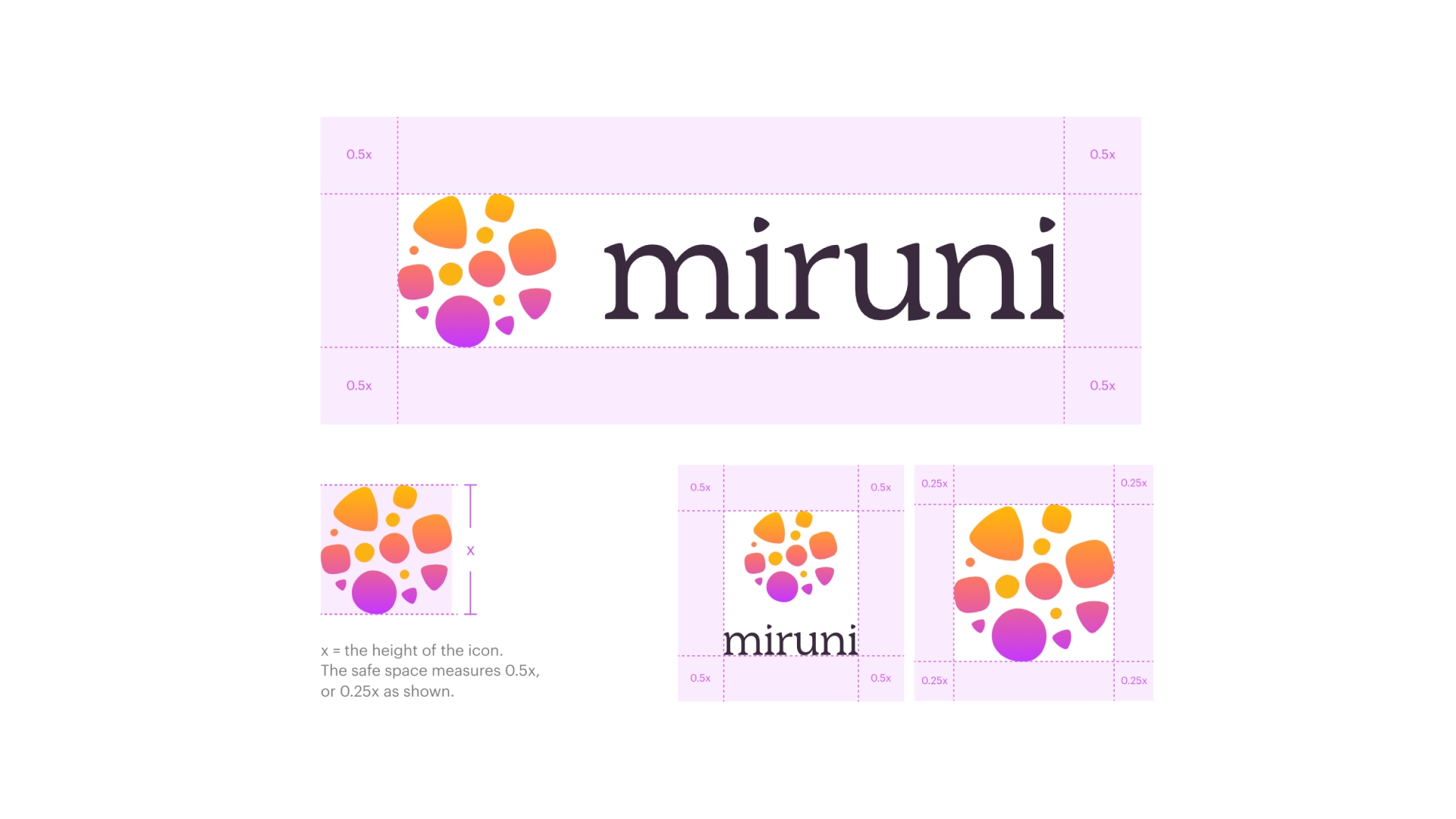
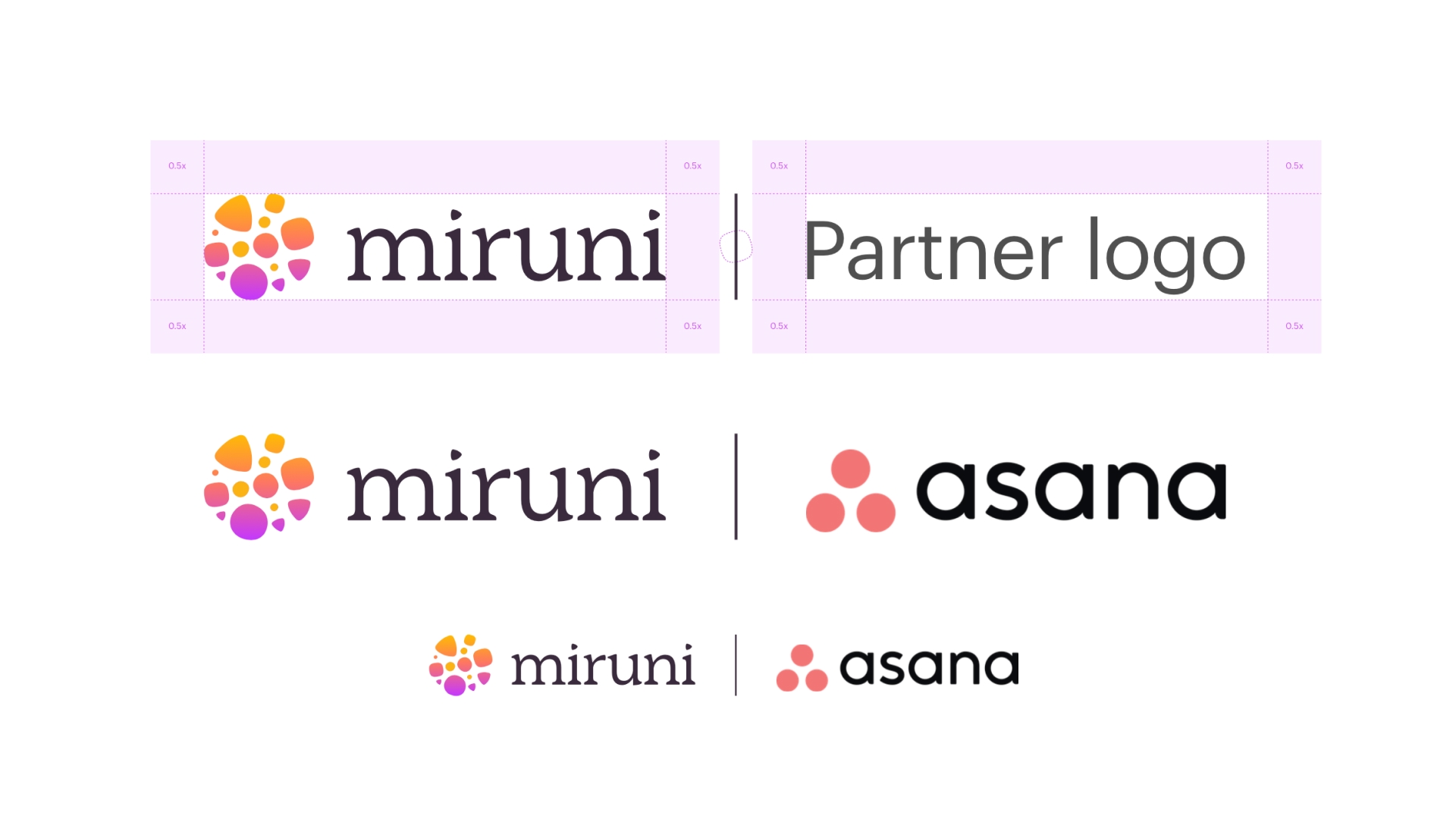
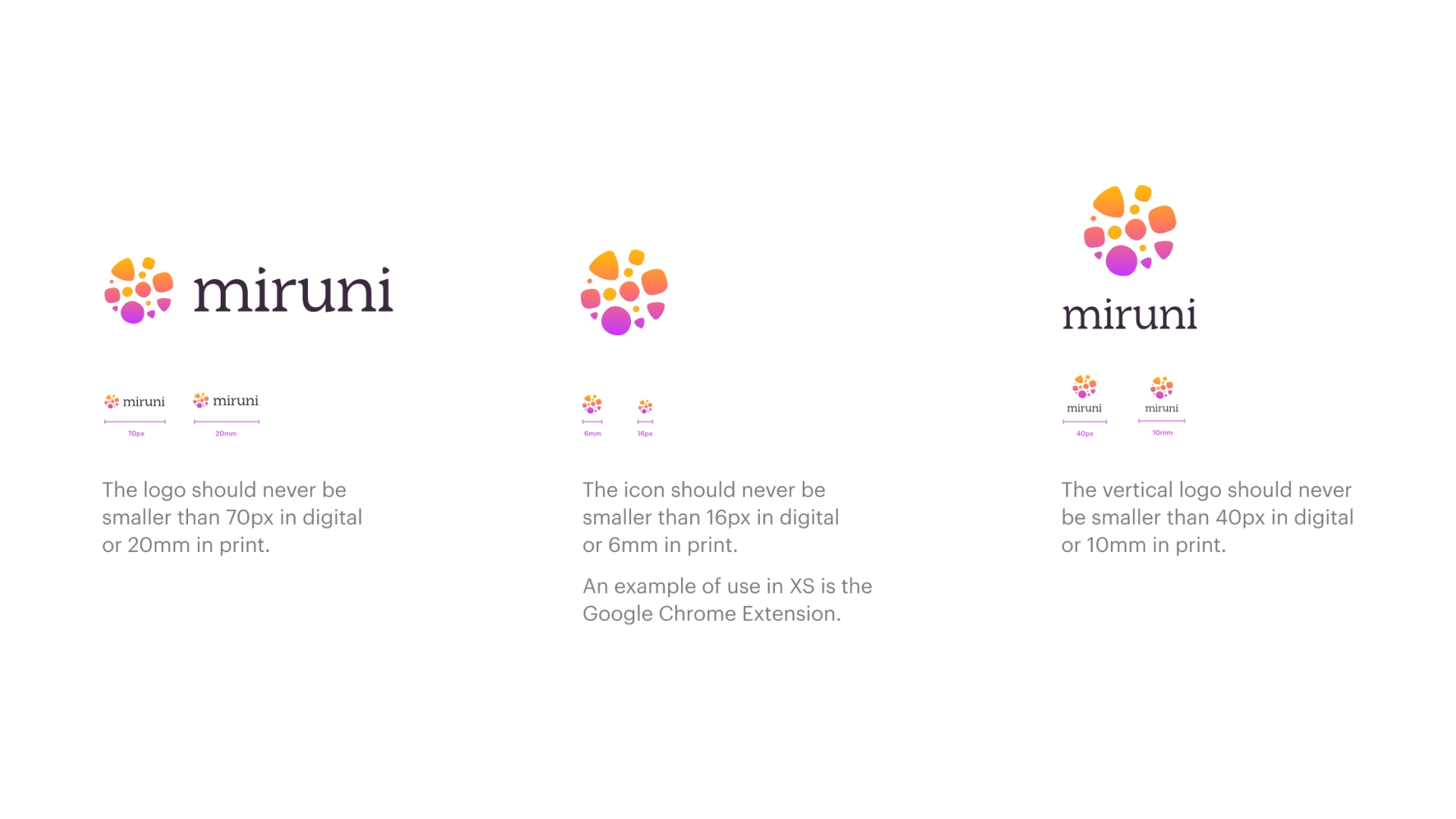
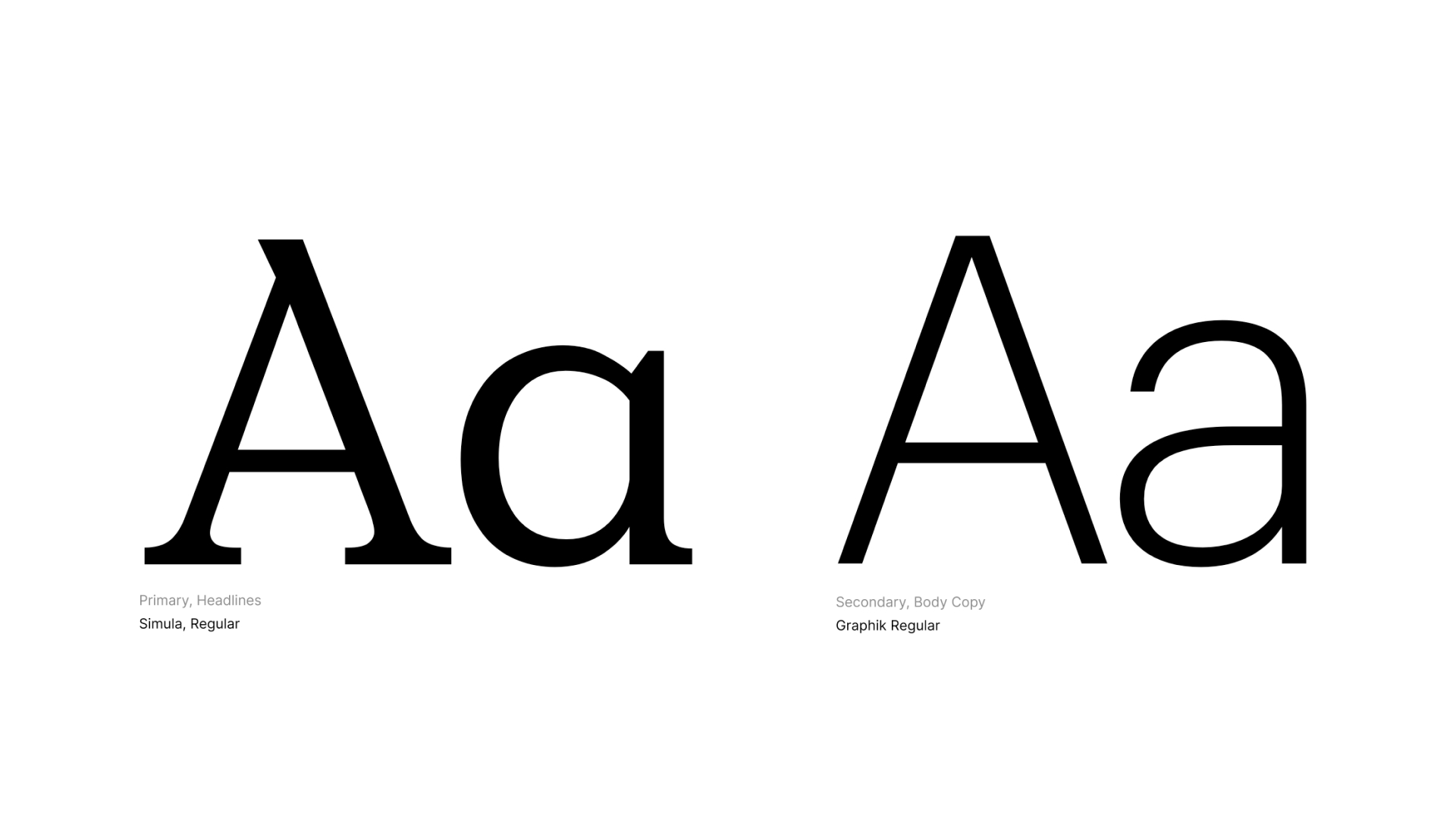
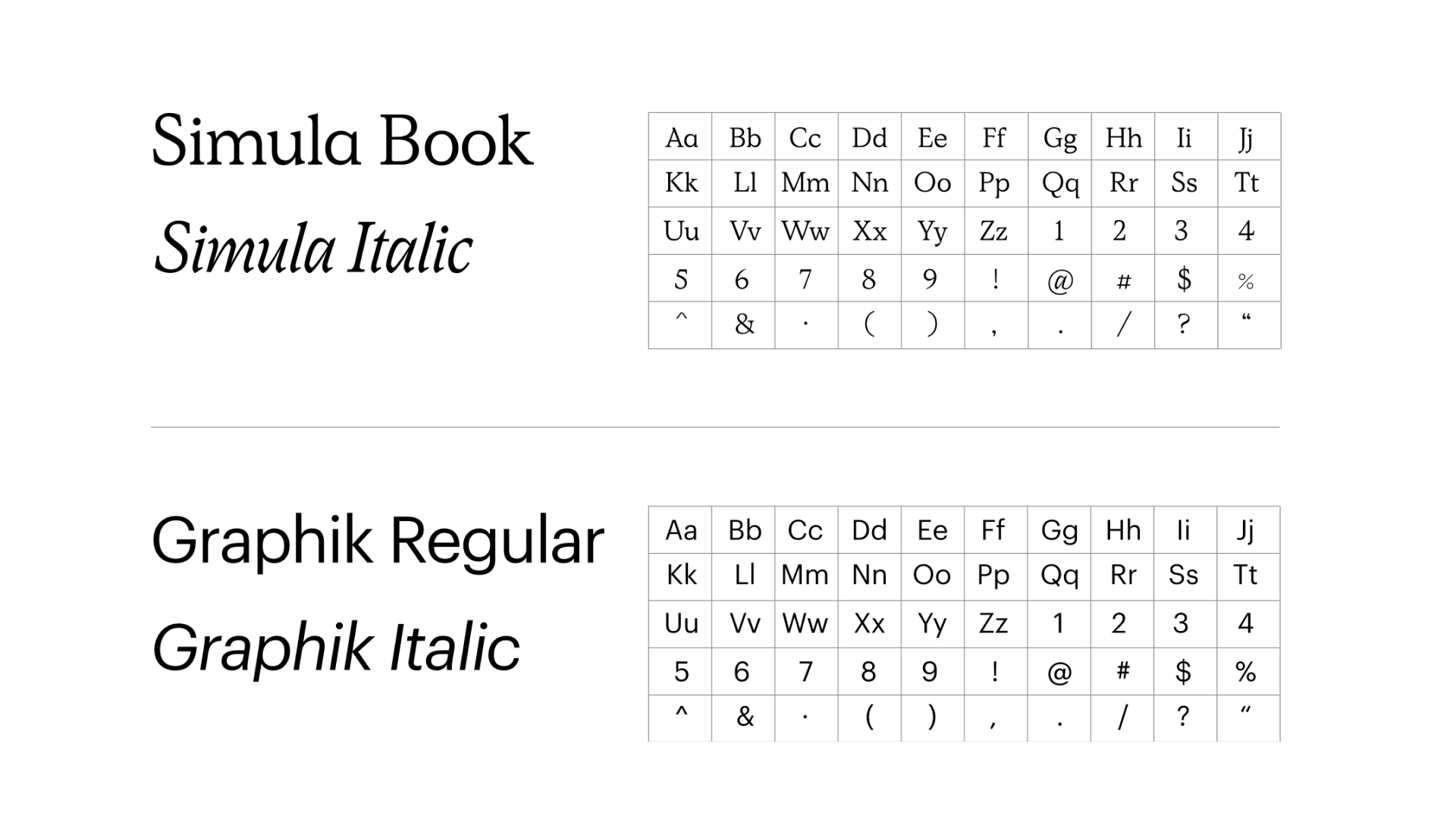
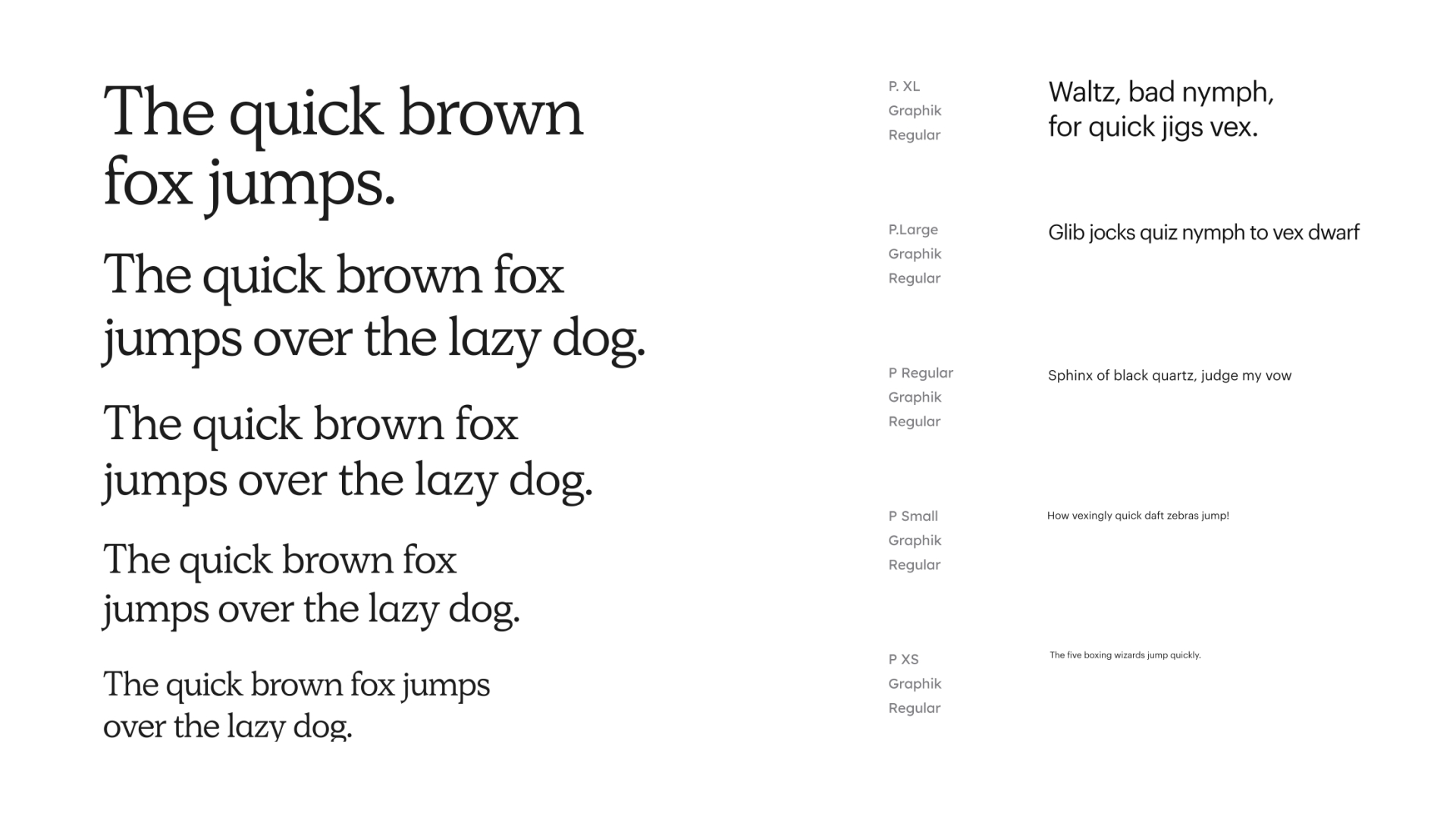
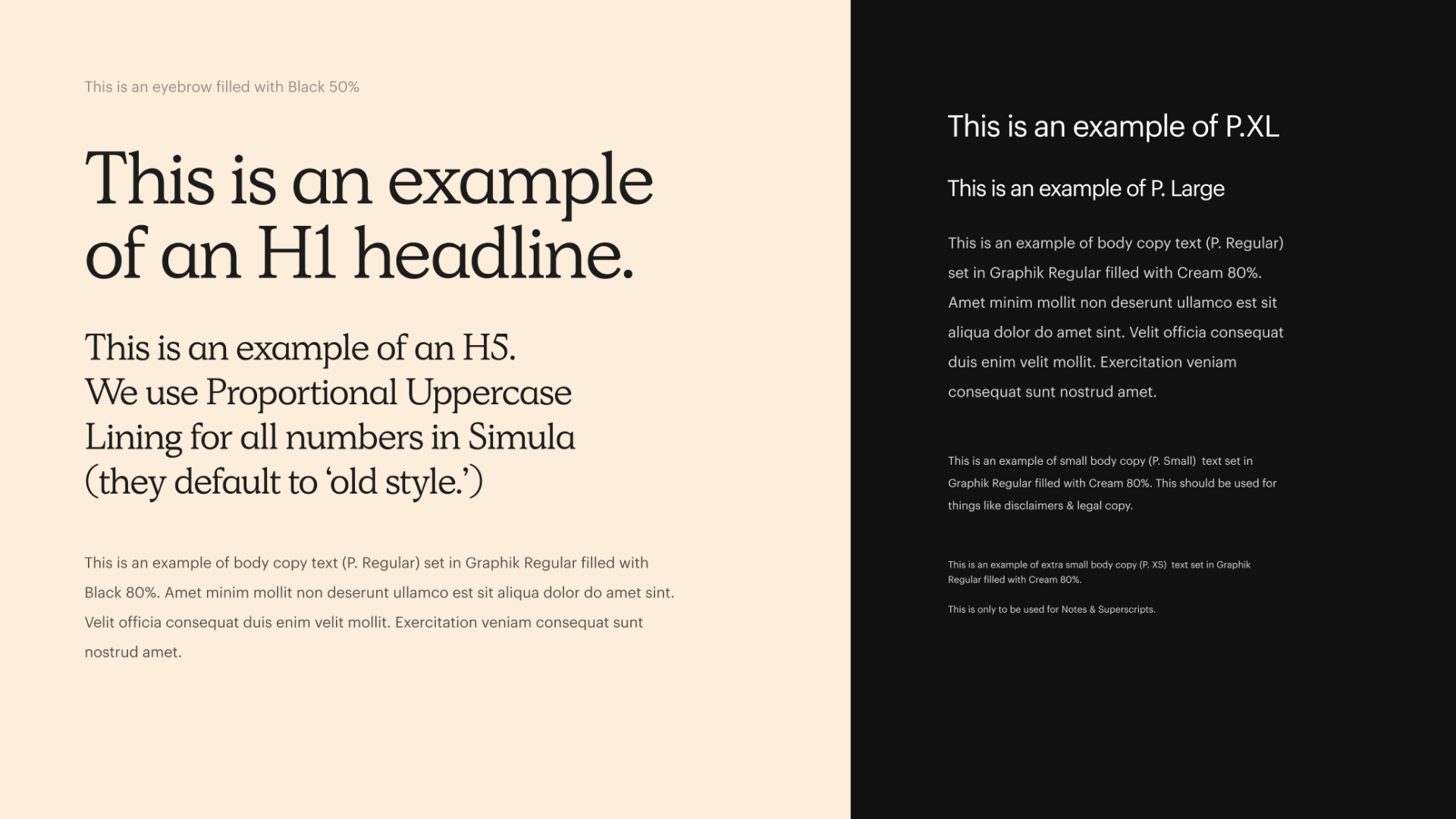
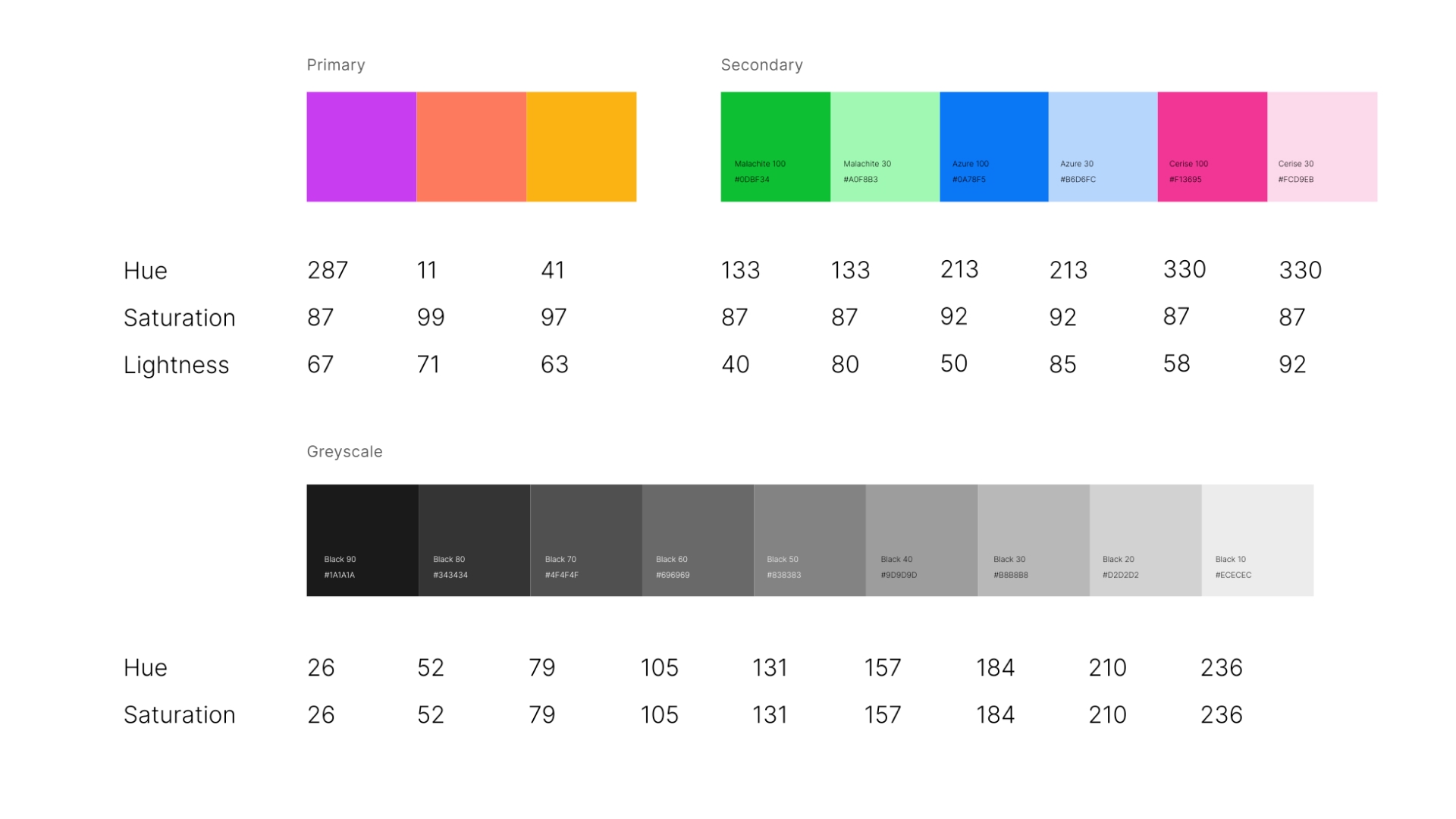
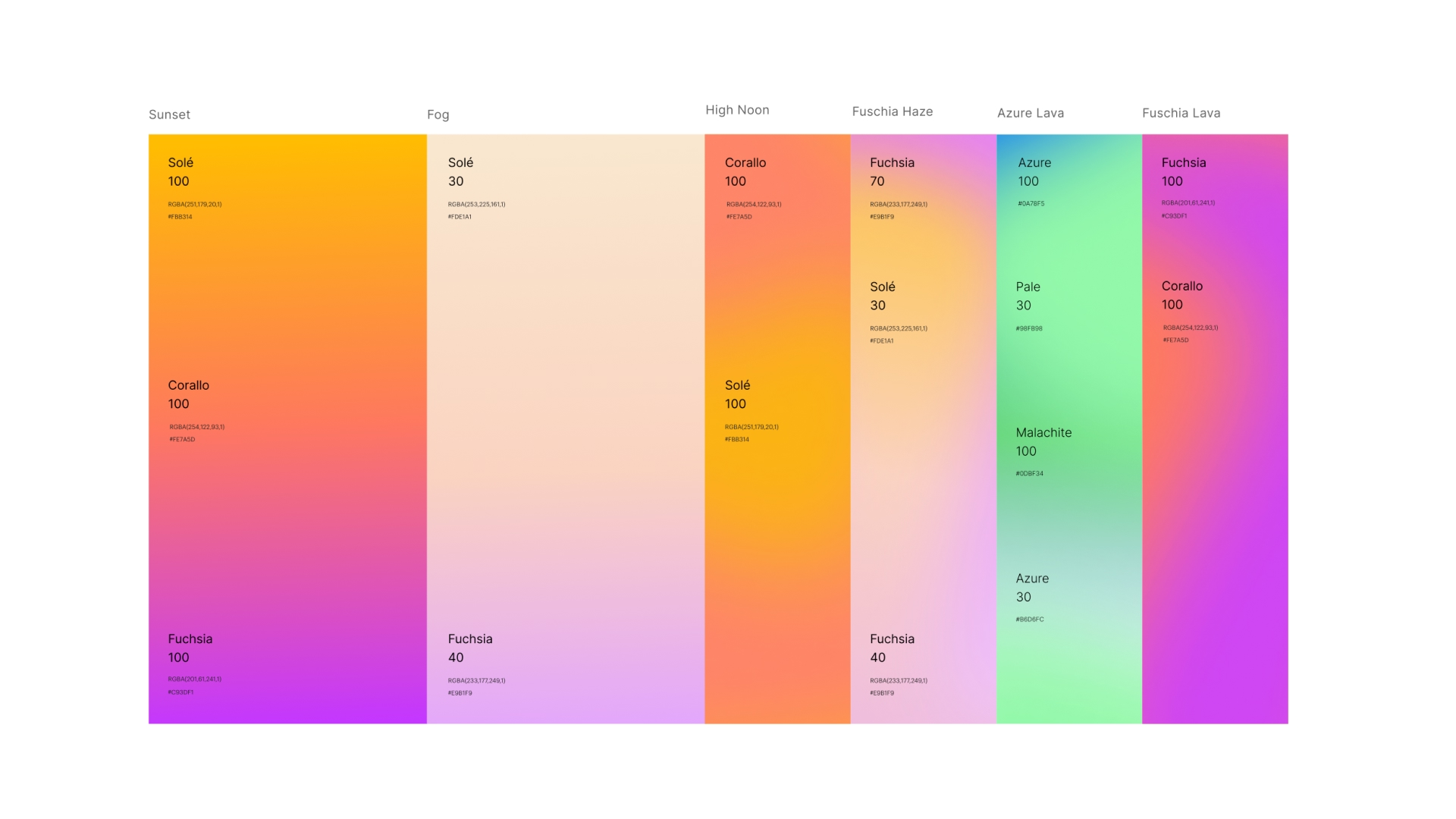
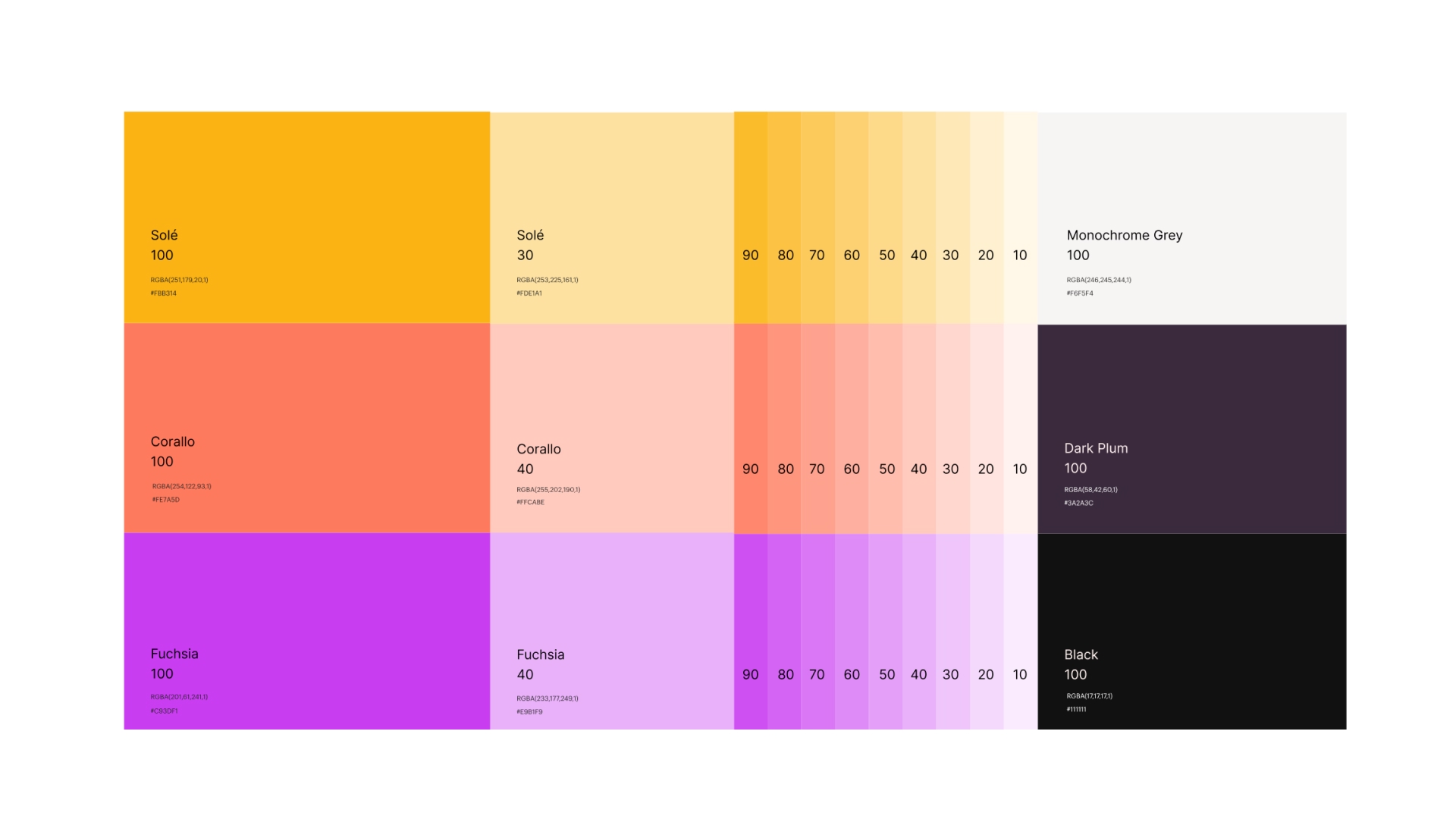
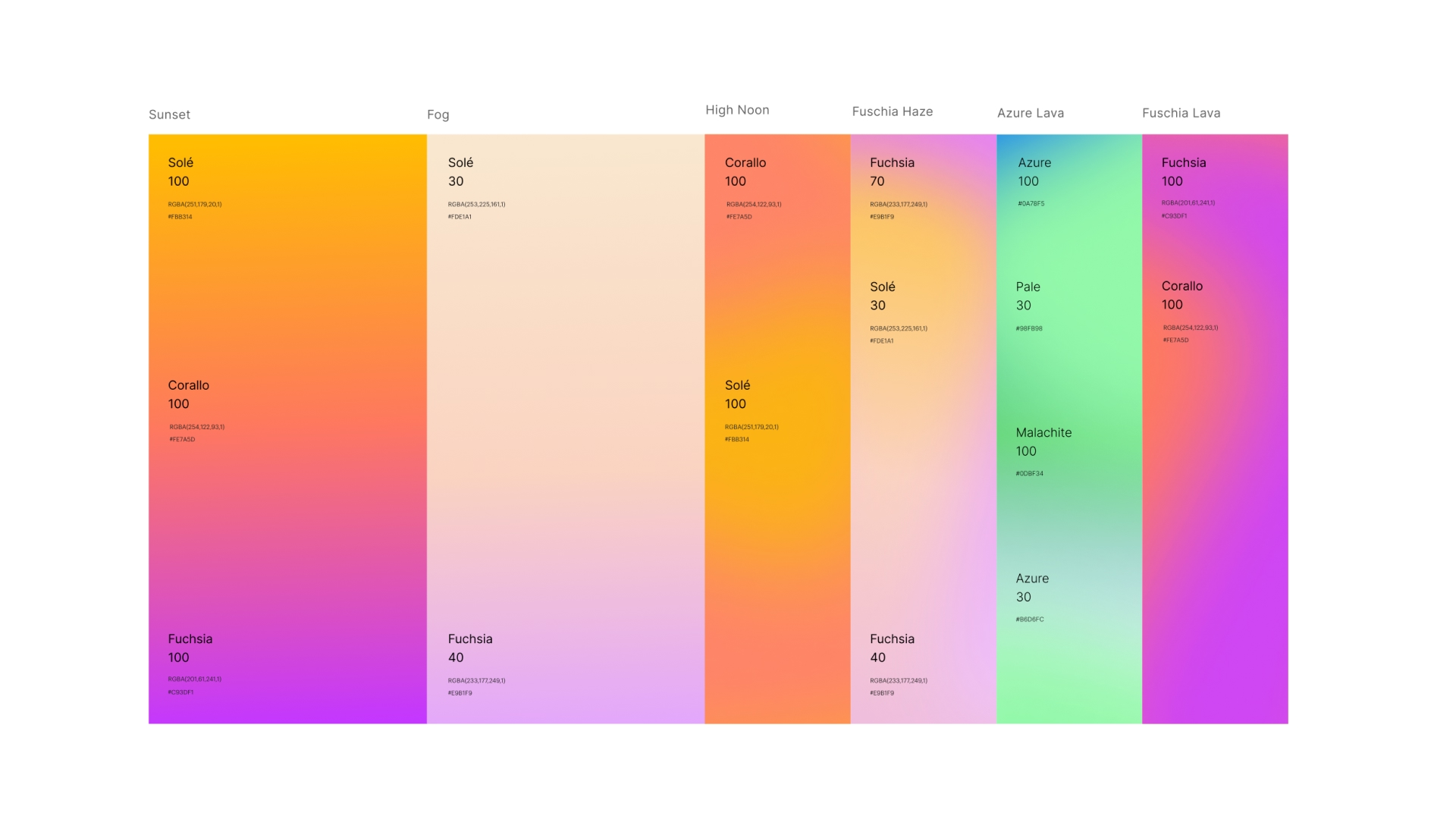
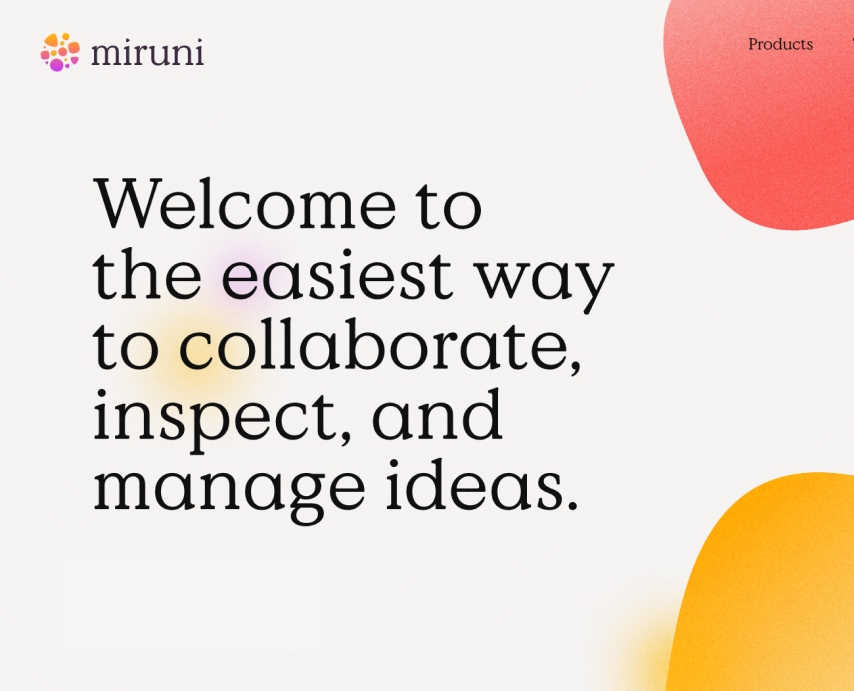
The visual identity was built to break the industry mold without being noisy about it. Where competitors defaulted to utility aesthetics, functional, forgettable, Miruni's identity was designed for impact and versatility: confident enough to stand out, flexible enough to scale from a browser extension UI to a full marketing website.
We ran a multi-round creative process, increasing fidelity with each iteration and pressure-testing directions against the full range of product surfaces before committing to a system. The final identity is distinctive in its category, warmer and more expressive than the SaaS norm, without sacrificing the clarity a technical product requires.
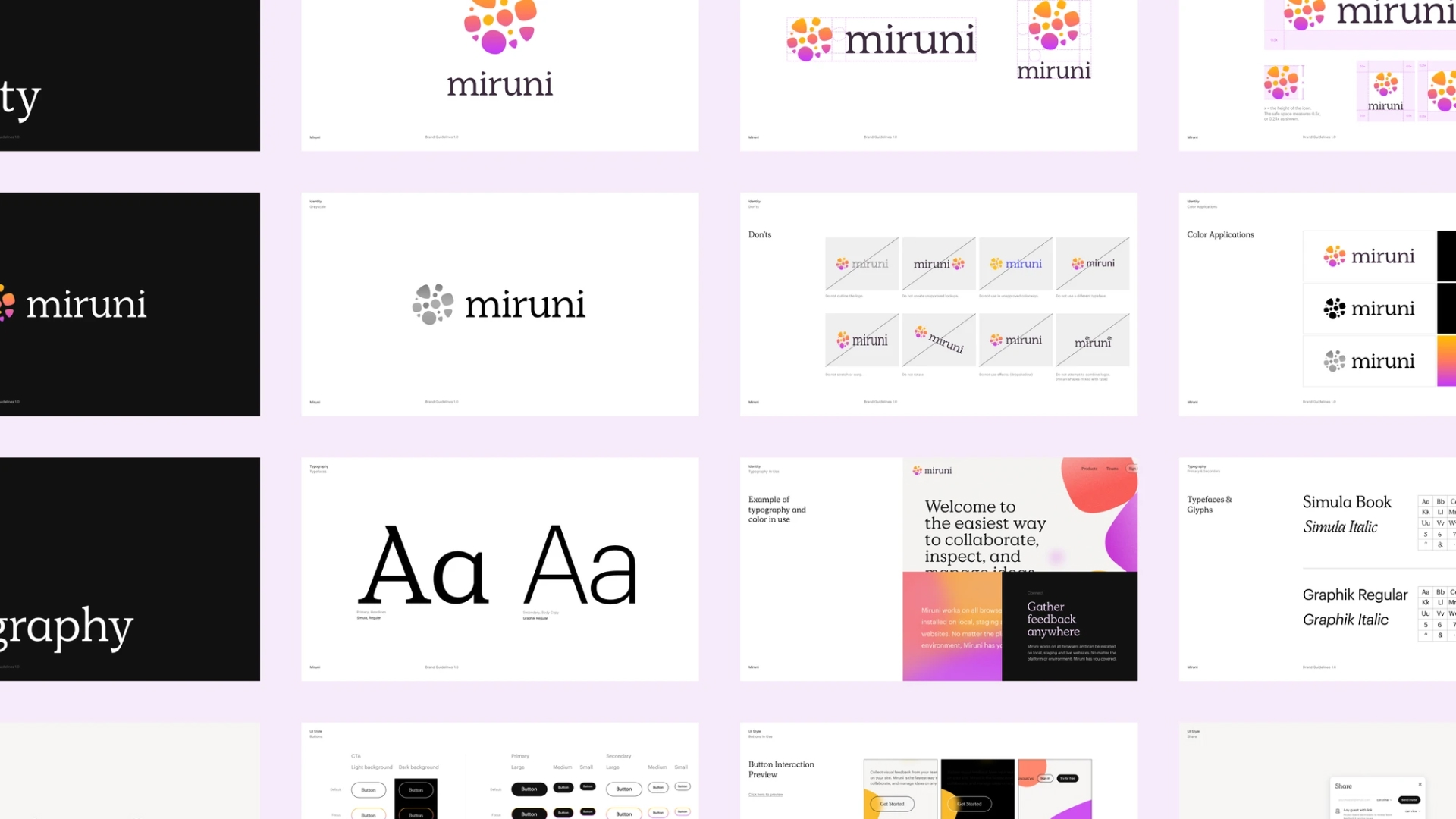
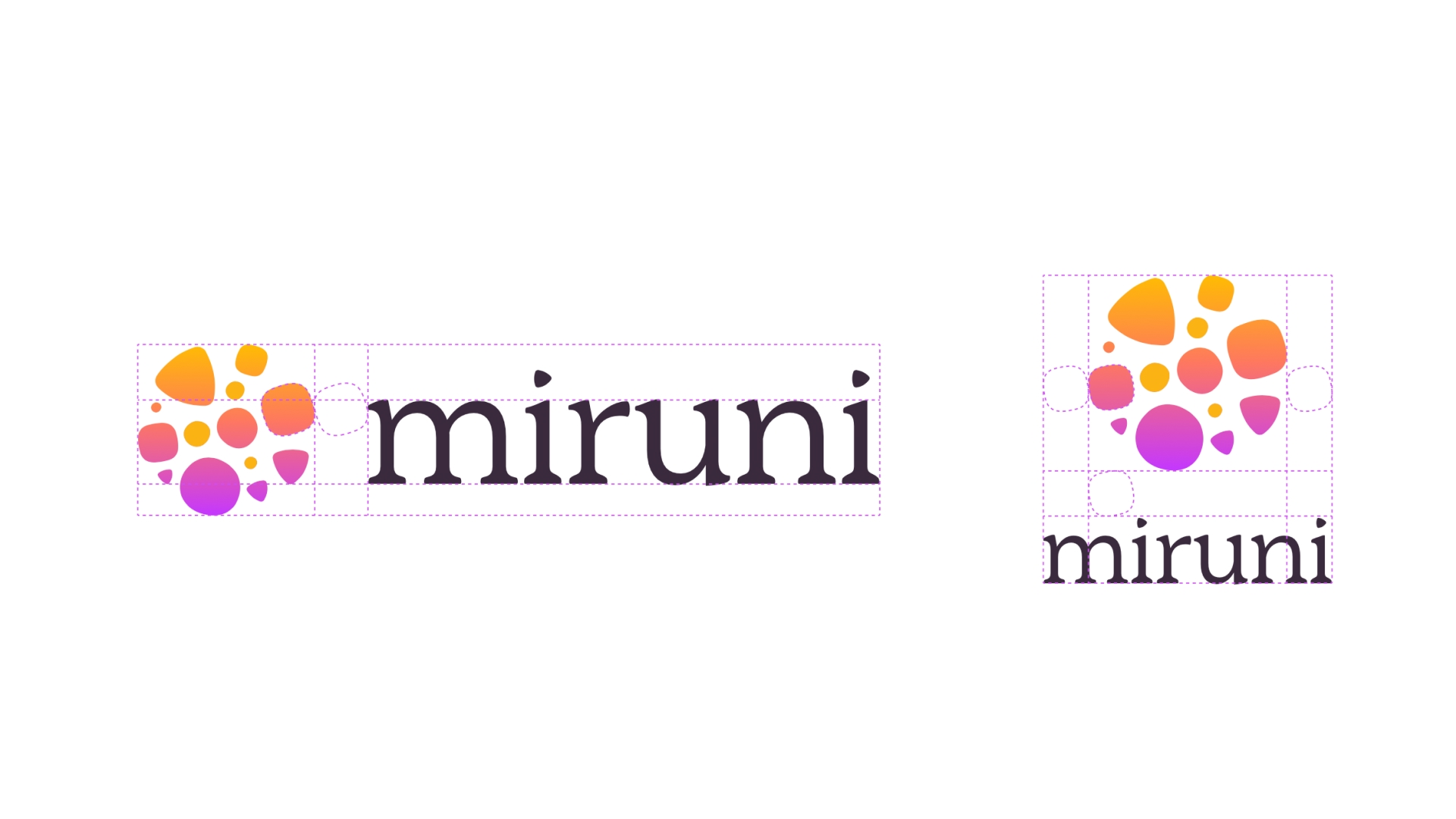
Brand Guidelines
Marketing
Multiple Website Iterations
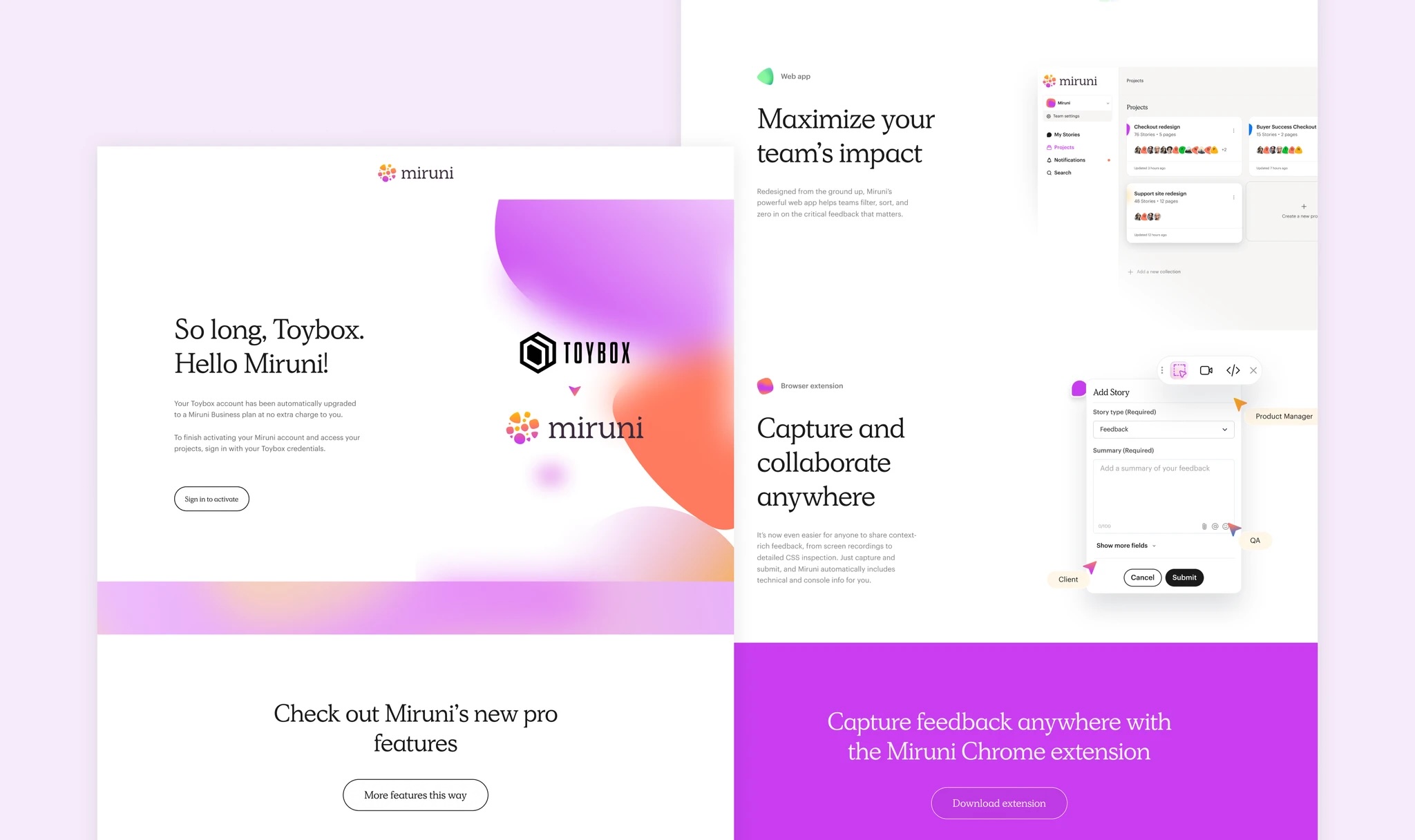
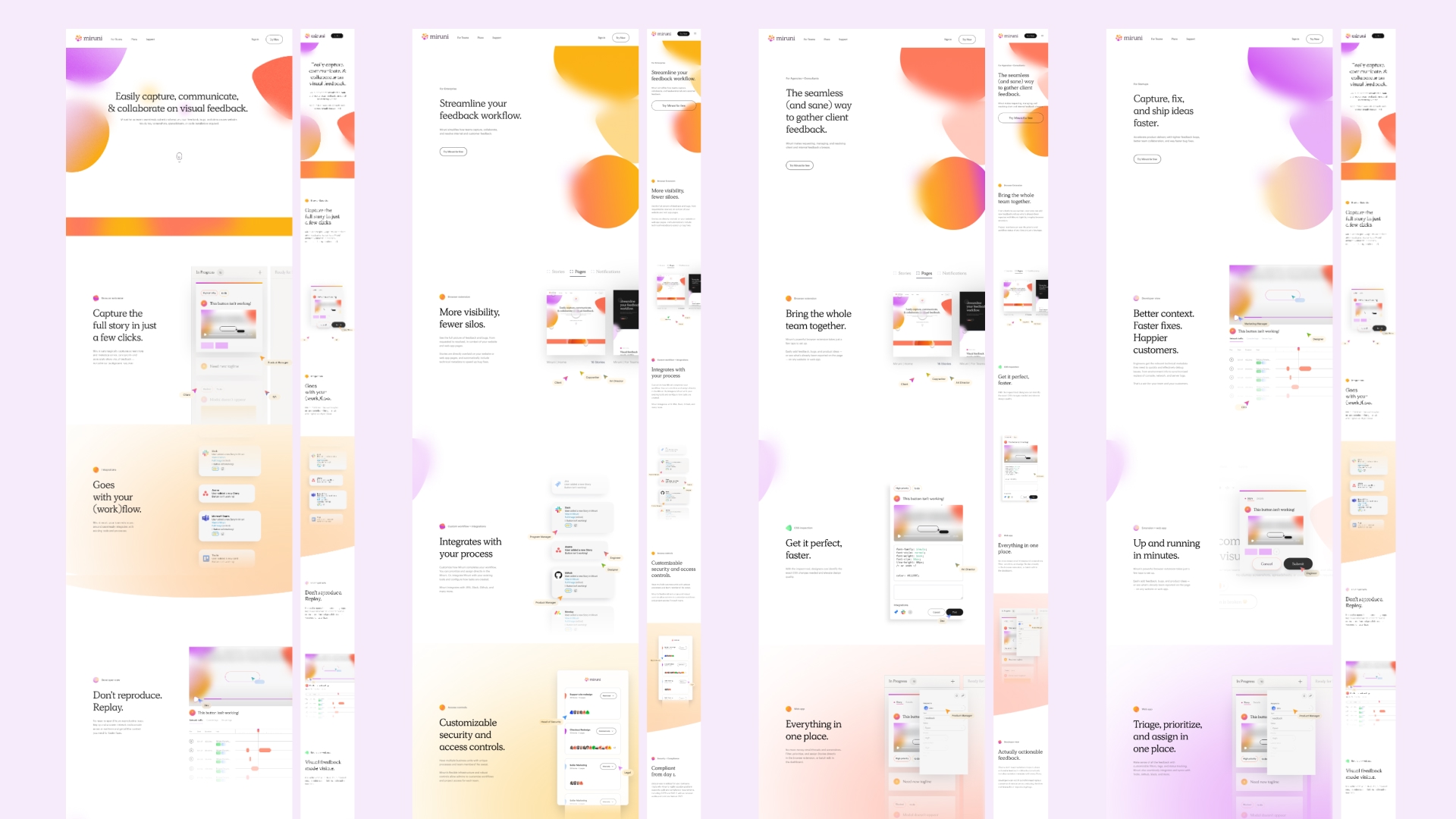
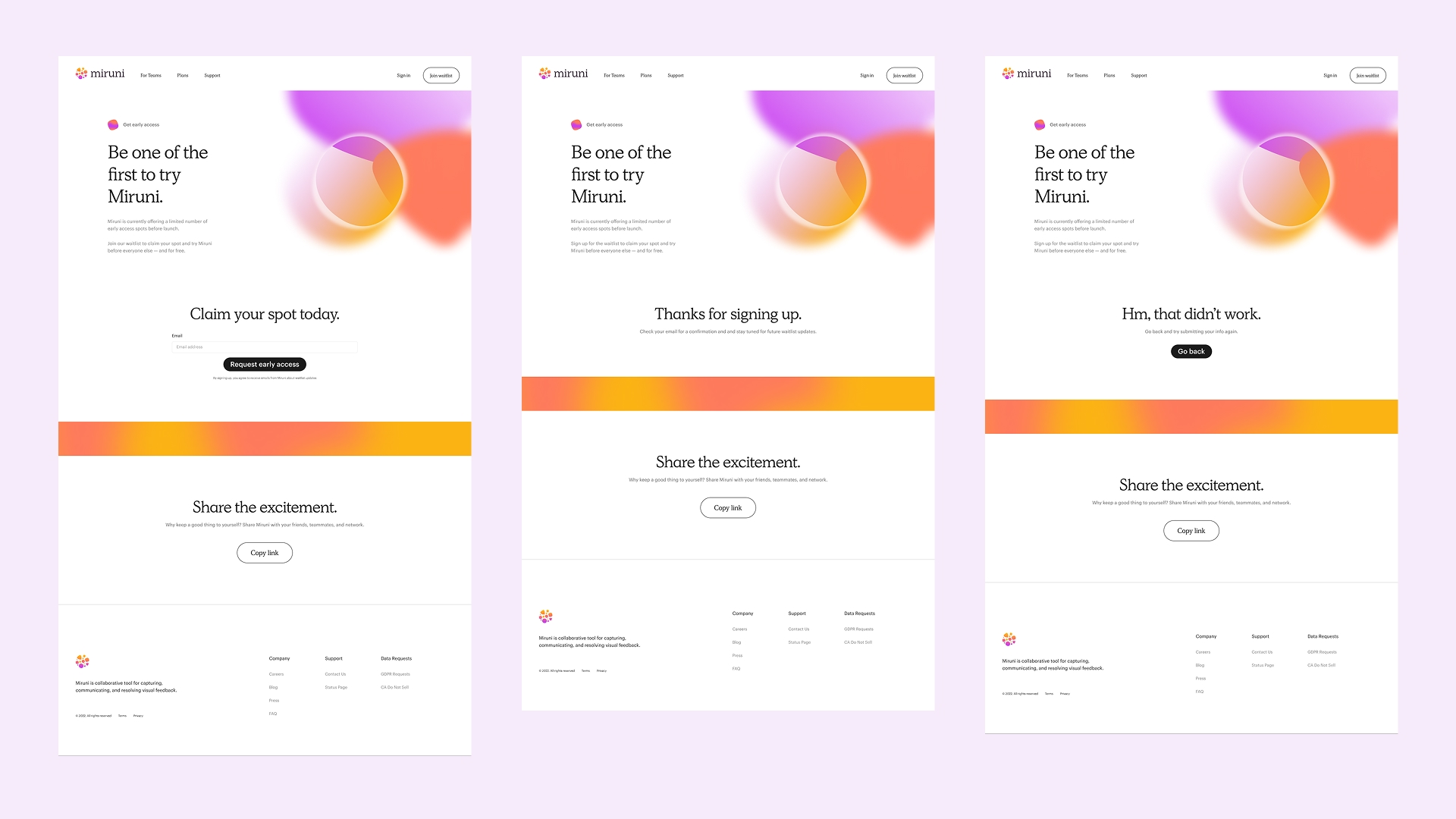
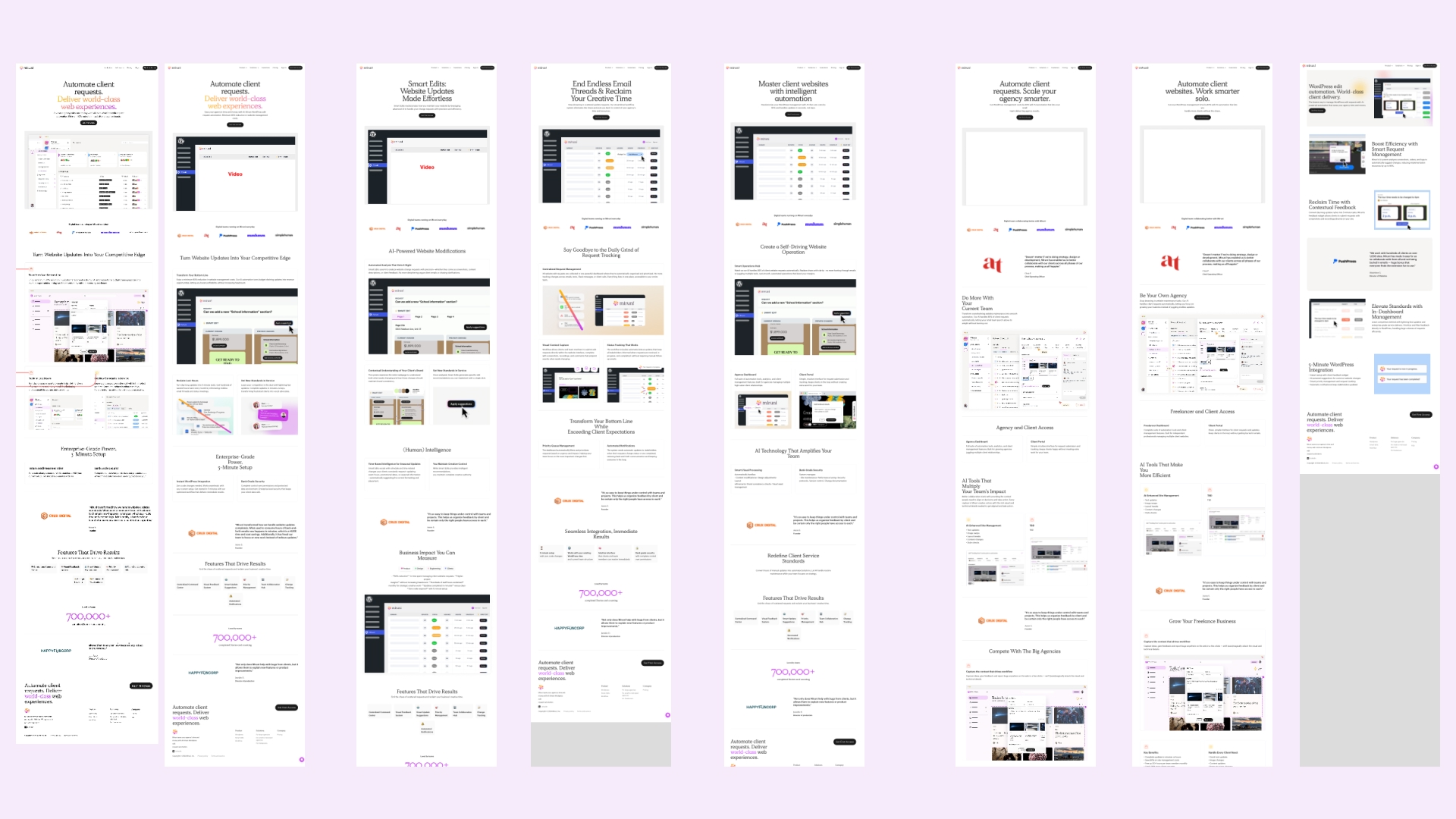
One of the less glamorous but most revealing aspects of this engagement: we built the marketing site more than once. Each iteration reflected a more refined understanding of the product's positioning and audience. The first site was built for the broad hypothesis. Later versions were built for the sharper one.
Most portfolio case studies show the final website. I'm showing you that there were multiple reasons, because that's the honest story of what product-market fit actually looks like from the design side, not a single inspired execution, but a series of increasingly accurate translations of what the product is and who it's for.
Email & Lifecycle Design
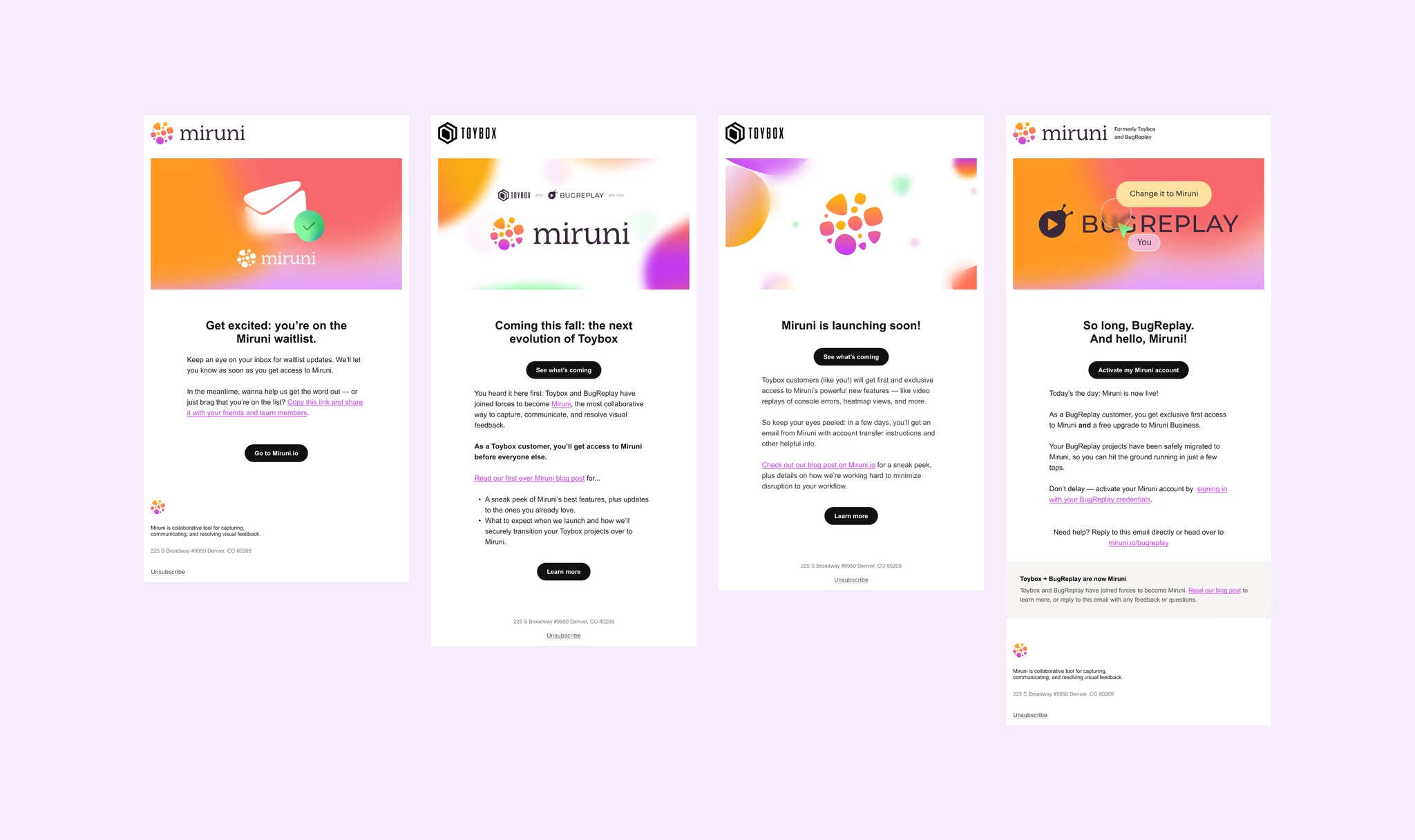
We designed a full email system to support users at every stage of the product lifecycle, onboarding flows, transition sequences for pivoted users, promotional campaigns, and engagement sequences. Coherent communication at every touchpoint, not just the ones that make it into screenshots.

Growth: SEO & Search
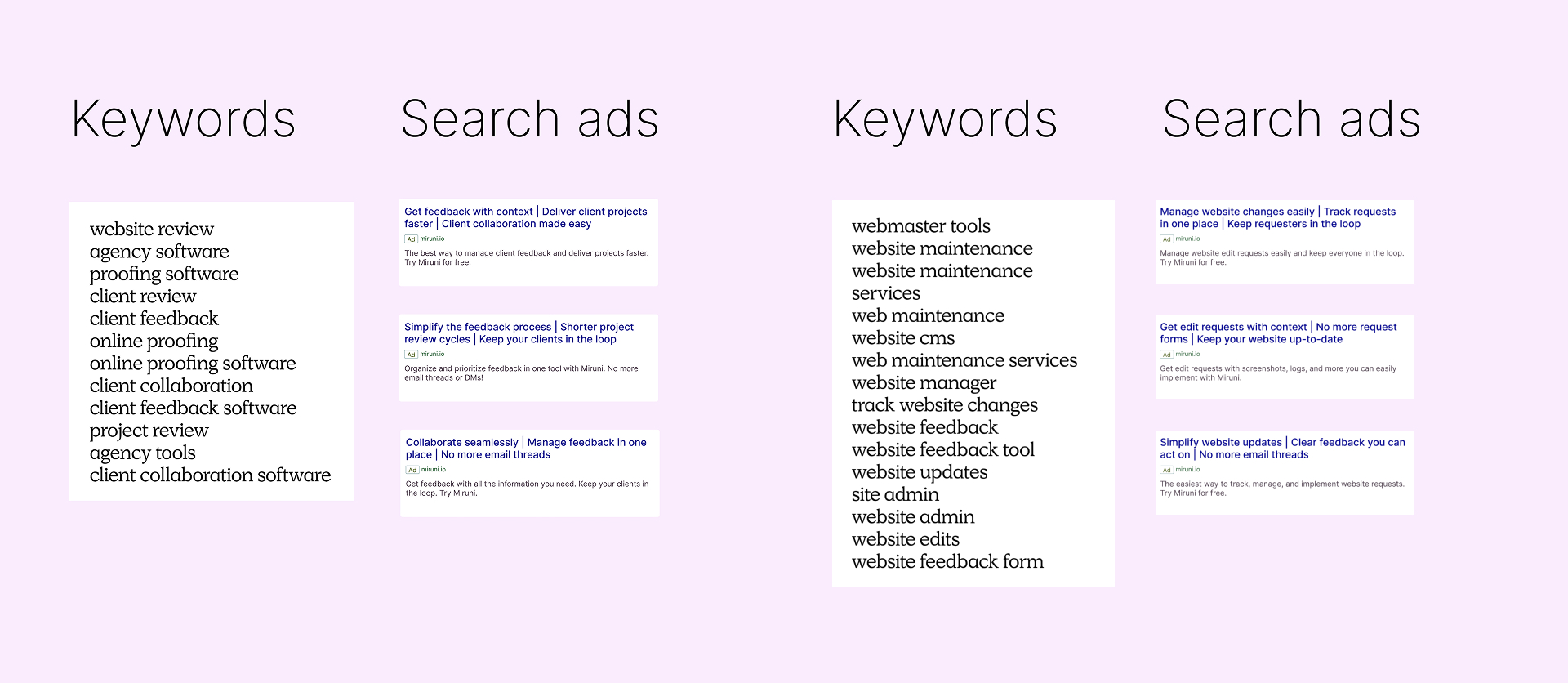
We ran SEO and search ad experiments to build qualified traffic to the product. Tailored landing pages for different user segments ensured that when someone arrived, they found content specific to their context rather than a generic homepage.
Product
The Original Product
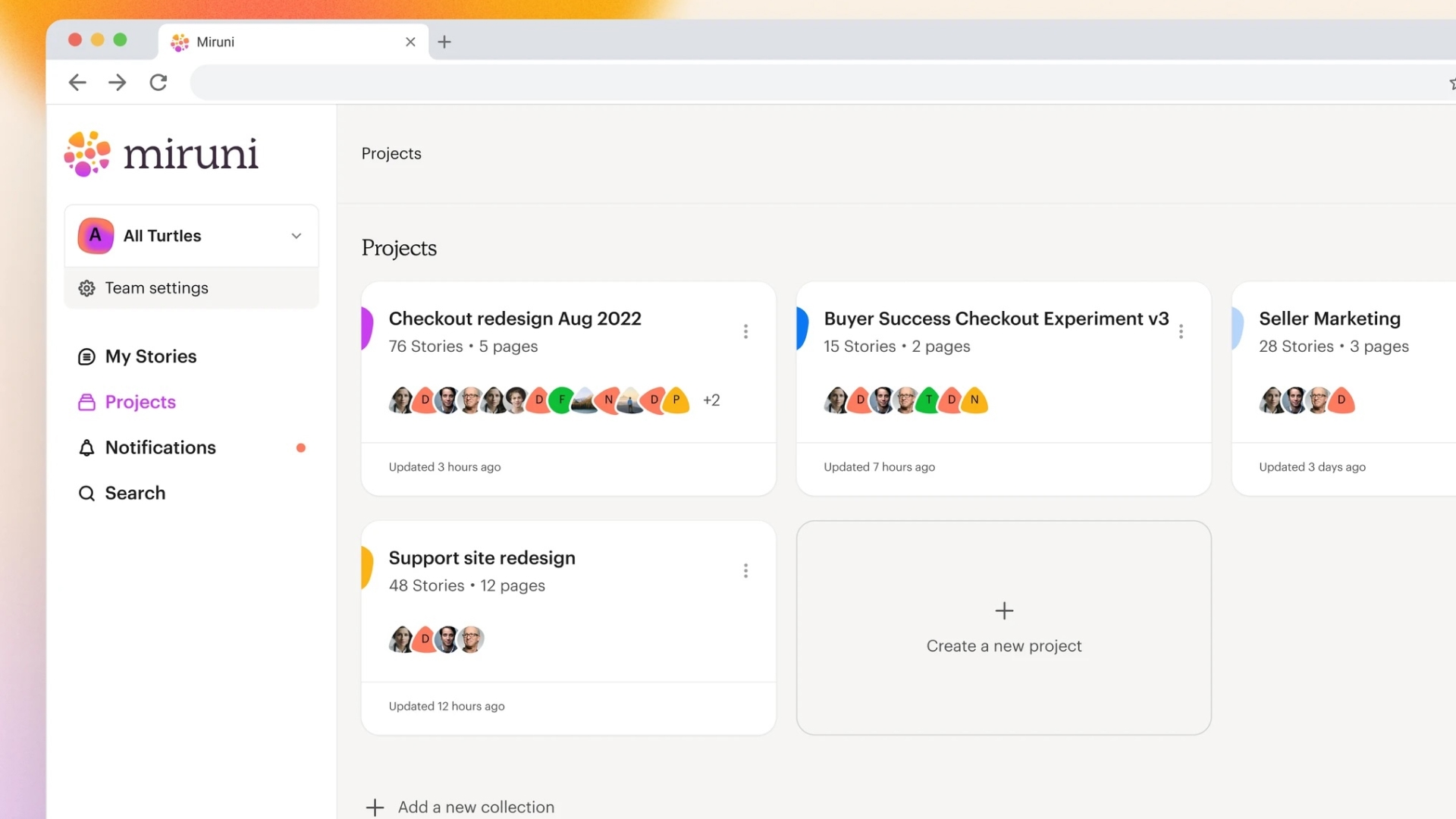
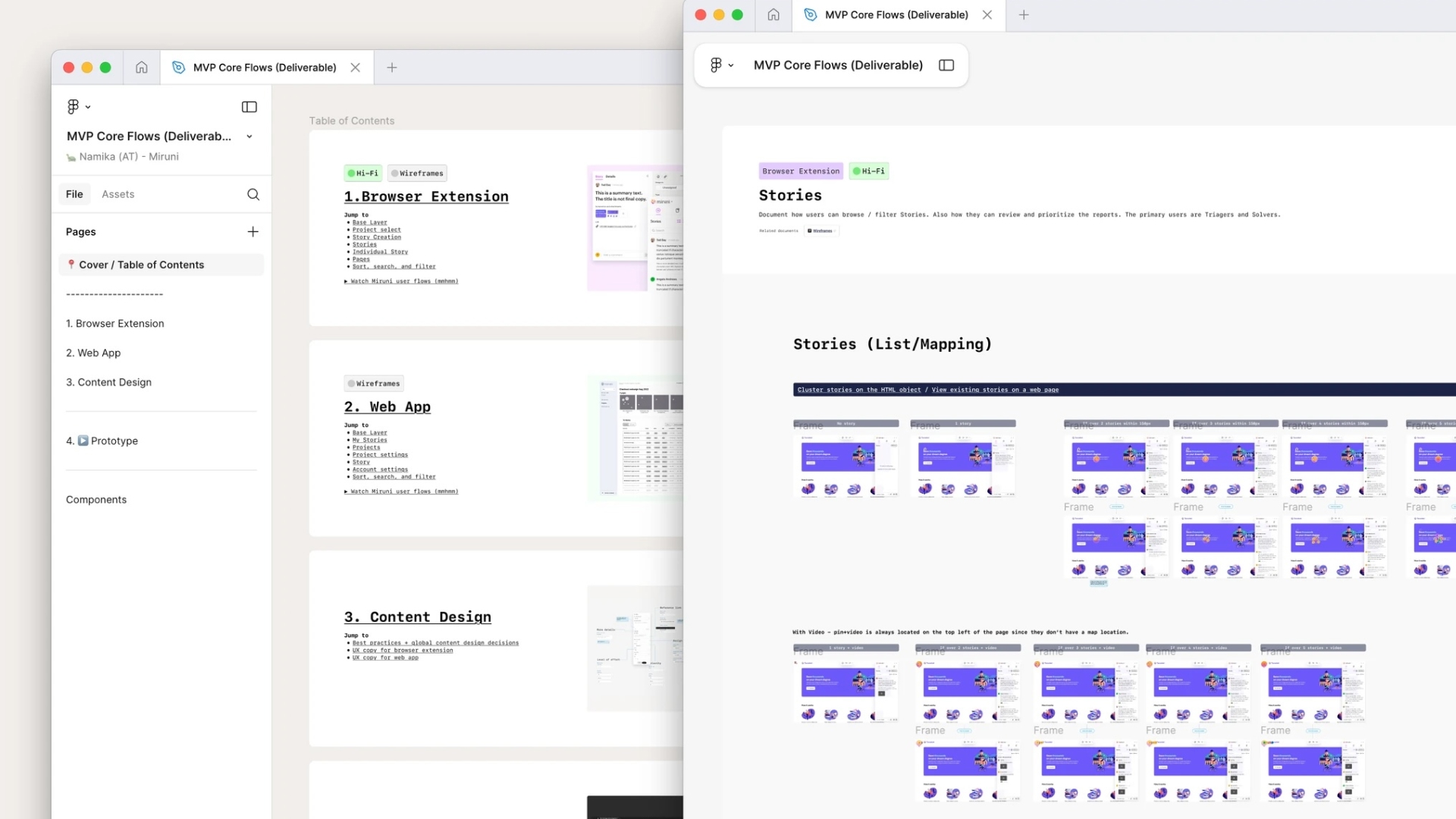
The original platform centered on visual feedback capture and bug reporting: annotate directly on a live site, generate a technical log automatically, send it to a developer with full context. It solved a real problem. The video below shows how it worked.
How the Original Product worked
Smart Edits: The Pivot in Product Form
The CMS-specific Smart Edits feature is where the pivot became tangible in the product itself. Instead of capturing feedback and waiting for a developer to implement it, users can now apply fixes directly. AI reads the annotation, understands the intent, and applies the change to WordPress, Shopify, or Webflow with one click.
From a product design standpoint, this required rethinking the core interaction model. The original product was a communication bridge; it made feedback clearer. Smart Edits is an execution tool; it eliminates the need for a handoff altogether. Those are different products with different design requirements, and the transition between them had to feel seamless to existing users while being immediately legible to new ones.
How the Smart Edits work on WordPress
What I'd Do Differently
With more budget and a larger team, I'd have invested in user research earlier and more consistently. The pivot insight came from our research, but it came later than it could have. In a lean environment, research is often the first thing that gets squeezed. Looking back, it should have been the last. The three months we spent building in a direction that the research would have redirected us from cost more than three months of research would have.
The lesson I keep coming back to: constraints are real, but the sequencing of where you protect resources matters more than the total amount of resources you have.
Selected Works


heraclio@designstgy.com