
Shopify
UX Design Manager
2020-2022
Remote
Global
Context
Shopify is a leading e-commerce platform that powers businesses worldwide by enabling them to build, manage, and scale online stores across multiple channels.
My Role
I joined as the first design manager in Shopify’s Growth organization, leading a globally distributed team of ~20 designers across Europe, the Americas, and Asia. I inherited a high-velocity environment and focused on aligning strengths, defining clear roles, and introducing practices that grounded the team in direction and impact.
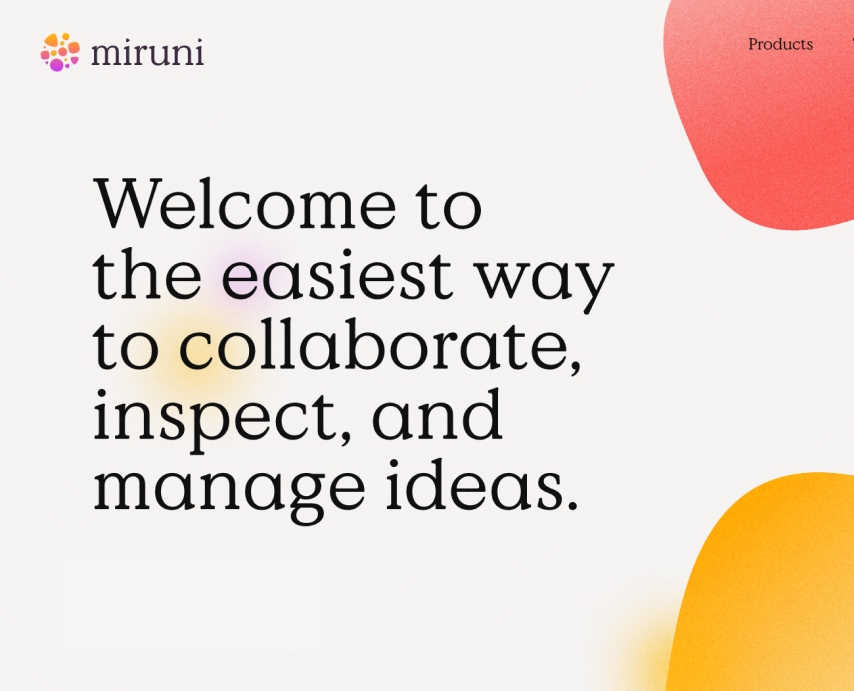
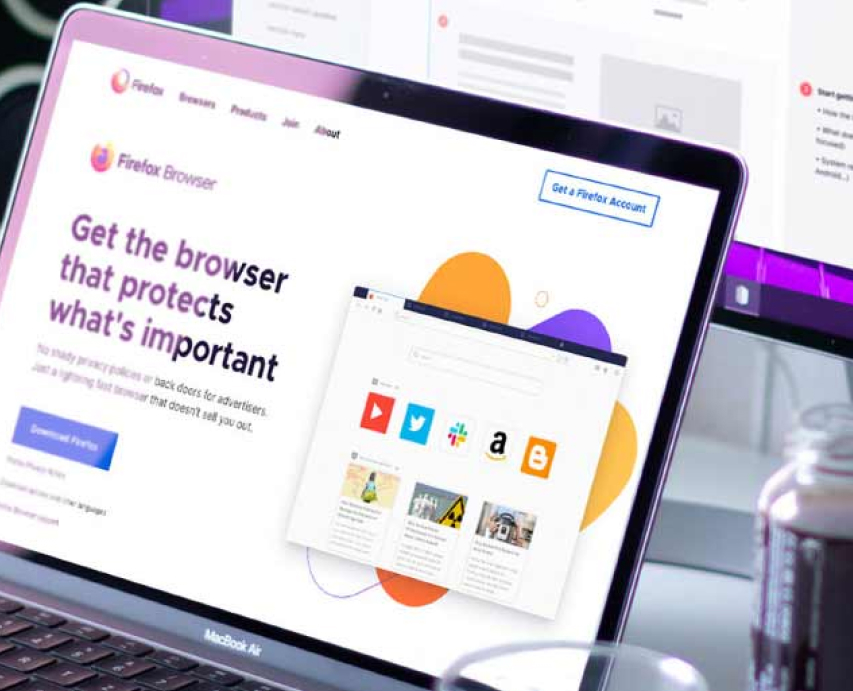
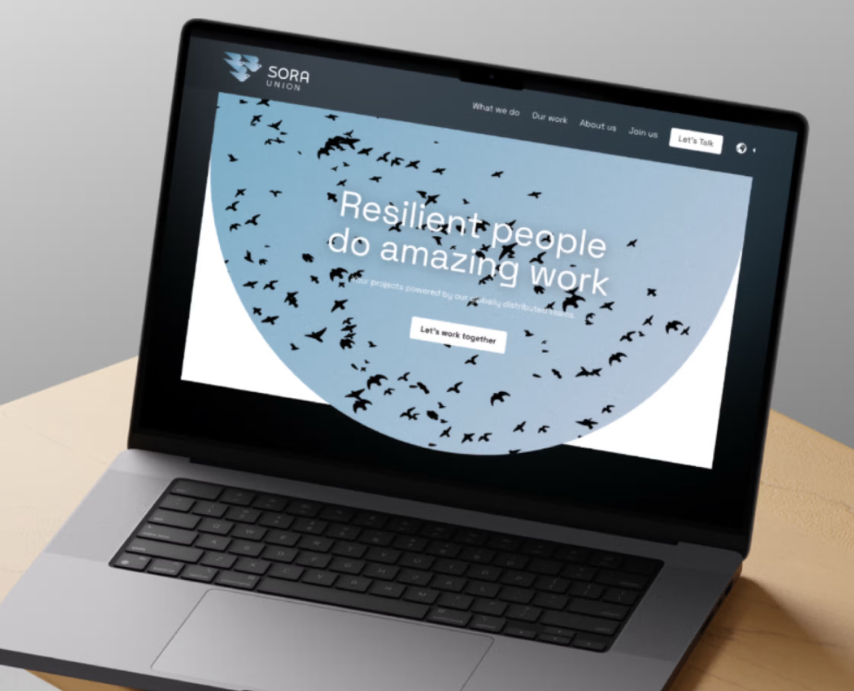
I supported areas including free tools, landing pages, email journeys, paid campaigns, brand refreshes, sign-up flows, CTA experimentation, and internal data tools, always to create clarity, cohesion, and leverage.
My Team
During my time at Shopify, the organization experienced several changes. My initial organizational structure started with six direct reports, and in a short period of time, I managed a distributed team of ~20 designers across the globe, spanning:
- Brand Design – Crafting and evolving Mozilla’s visual identity
- UX Design – Ensuring seamless, user-centered experiences
- Motion Design – Bringing brand storytelling to life through animation
- Product Design – Crafting user-centered solutions.
- Creative Producer - Overseeing the development and execution of creative projects.
Key Achievements
- Scaled a multidisciplinary design org from 6 to 20+ headcount across global regions, strategically aligning design crafts with core business KPIs and growth targets.
- Accelerated execution speed and design quality by architecting clear ownership models, streamlined workflows, and robust design decision frameworks.
- Transformed transactional growth surfaces into high-affinity "human" experiences by integrating emotional design and rigorous brand consistency.
- Established foundational design rituals (including global critiques and workshops) that bridged silos and drove cross-functional alignment.
Why This Matters
During a period of rapid growth and experimentation, the design function can become fragmented. I led through structure, culture, and purpose, ensuring design was not just reactive, but strategic. The team moved with more confidence, business stakeholders saw a clearer impact, and design became a more trusted partner in growth.
Selected Works





heraclio@designstgy.com